Sellier vs Retourne: How Construction Changes the Color You See
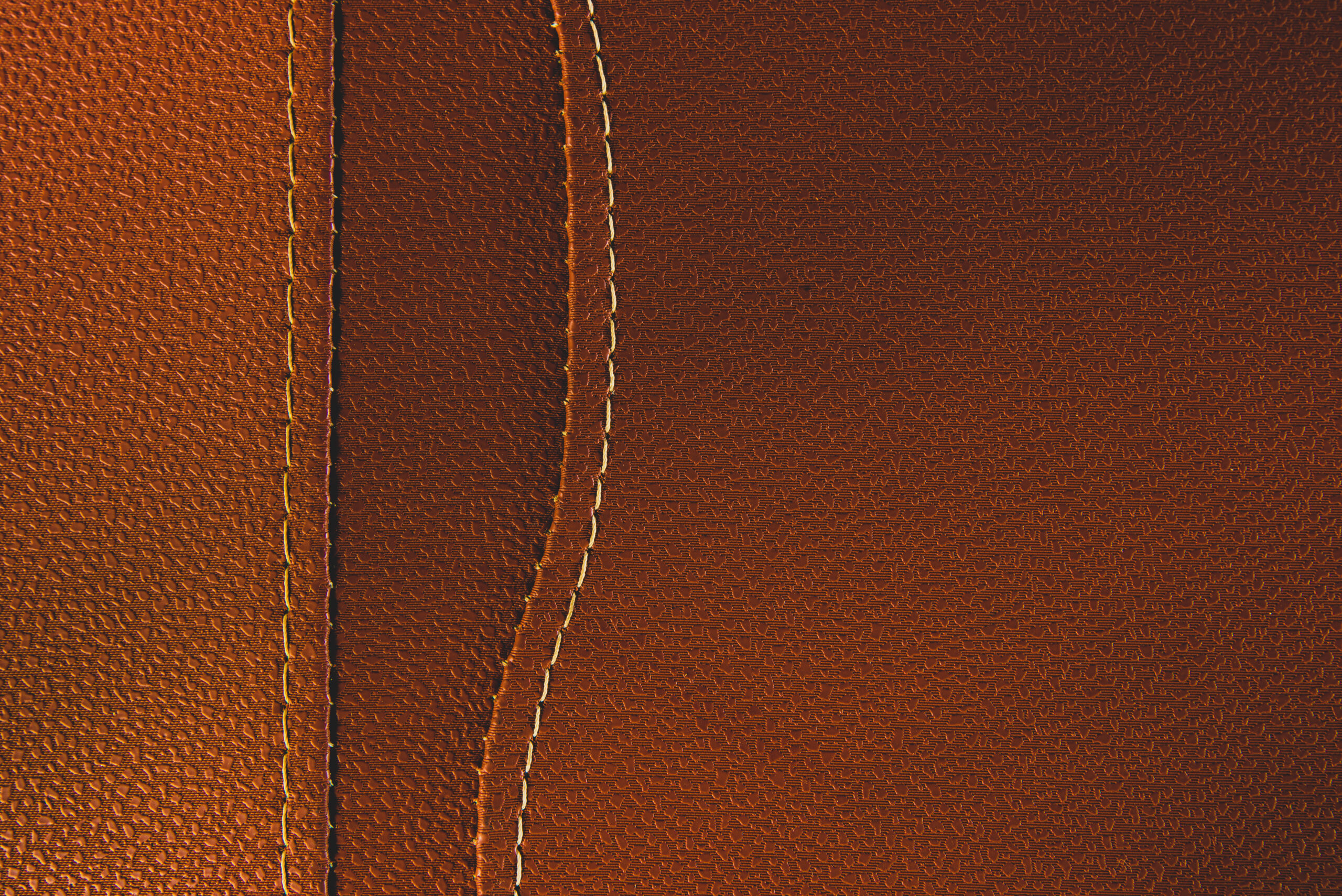
Sellier stitching on the outside creates sharp geometric corners and amplifies color intensity. Retourne stitching hidden inside produces softer edges and a more relaxed color reading. The same colorway reads completely differently across the two constructions.
Construction as a Design Question
The sellier vs retourne distinction is primarily a design question before it is anything else. Sellier construction — stitching on the outside — creates a sharp, geometric silhouette with precise corners and a formal visual tension. Retourne construction — stitching hidden inside — produces softer edges, a more relaxed posture, and a silhouette that moves more naturally with the body. The same colorway reads completely differently across the two constructions.
This hub explores sellier and retourne through a visual design and color-behavior lens — how each construction interacts with light, how it affects the reading of leather grain, and which color families are better suited to each structural approach. For how construction interacts with specific silhouettes, see the Iconic Collections hub. For color family references, see the Colors Reference Hub.
Most buyers approach sellier vs retourne as a lifestyle or preference question — structured vs relaxed, formal vs casual. These are valid considerations, but the color dimension is equally significant. A deep jewel tone on a sellier Kelly reads with a concentrated intensity that the retourne construction disperses. A pale dusty rose on a retourne reads with a softness that the sellier's sharp corners would make appear clinical. Understanding this is the foundation of construction-aware color selection.
Sellier vs Retourne Side by Side
The most useful way to understand the construction distinction is to compare them directly on the same design variable: color reading, visual posture, and lifestyle context.
The visible exterior stitching creates a precise, structured frame. Corners are crisp and defined. The silhouette holds its shape rigidly and does not soften with use. Color saturation reads more intensely — the structured geometry concentrates the eye on the colorway surface. Deep shades (Noir, Bleu Nuit, Rouge H) and mid-toned colorways (Etain, Ebene, Etoupe) suit the sellier's architectural posture. Very pale colorways can appear washed against the sharp geometric lines. Hardware reads as a deliberate accent against the structured frame.
The hidden interior stitching allows the leather to express its natural softness. Corners are rounded and the silhouette settles and relaxes over time. Color saturation reads slightly less intensely — the softer form diffuses the colorway across rounded surfaces. Pale, dusty, and tonal colorways (Gris Tourterelle, Rose Sakura, Trench, Craie) suit the retourne's relaxed posture. Deep shades are possible but read with less concentrated intensity than on sellier. Hardware integrates more softly rather than reading as a deliberate accent.
The same colorway on sellier and retourne is not the same bag. It is two different design outcomes. Before selecting a colorway, confirm which construction you are evaluating it on — photographs of sellier and retourne in the same shade will show perceptibly different color readings. For the full visual design comparison, see Kelly Retourne vs Sellier: How Structure Affects Visual Design.
How Sellier Construction Changes Color Perception
Sellier construction changes color perception in three specific ways that have direct implications for colorway selection. For a detailed analysis of each, see How Sellier Construction Changes Color Perception on Hermes Bags.
- Concentration effect: The sellier's sharp geometric frame concentrates the viewer's eye on the flat surfaces of the bag rather than dispersing attention across a rounded form. This makes color saturation feel more intense — the same shade reads more vivid on sellier than on retourne. Deep colorways benefit from this; very pale colorways can feel stark.
- Light behavior on corners: The crisp sellier corners create defined light and shadow transitions at the bag's edges. This geometric light behavior makes the color appear crisper and more graphic — a quality that suits structured, architectural colorways (cool neutrals, deep jewels) over soft, dusty tones.
- Stitching as a color frame: The visible exterior stitching — typically in a contrasting or tonal thread — creates a fine color accent around the bag's perimeter. On pale colorways this stitching can read as a dominant graphic element. On deep colorways it recedes into the leather and adds subtle texture rather than competing.
- Formal posture amplifies color authority: The sellier's upright, structured posture gives the colorway a formal authority that the retourne's relaxed posture does not produce. Bold or saturated colorways on sellier read as deliberate design statements. The same colorway on retourne reads as more personal and less declarative.
Retourne Softness & Pale Colorways
The retourne construction is particularly well-suited to pale, dusty, and tonal colorways precisely because its soft rounded form prevents the starkness that the same colors can produce on sellier. Understanding this is the core of retourne color selection.
- Pale neutrals (Craie, Nata, Blanc): On retourne, pale neutrals read with a soft, luminous quality — the rounded form prevents them from appearing clinical. On sellier, the same pale shades can read as stark against the sharp geometric lines. Retourne is the more flattering construction for very pale colorways.
- Dusty pastels (Gris Tourterelle, Rose Sakura, Mauve Pale): The retourne's softness aligns with the inherent gentleness of dusty pastel colorways. These shades on sellier require careful hardware selection to prevent the construction from overwhelming the color's delicacy. On retourne, they settle naturally.
- Tonal neutrals (Trench, Macadamia, Etoupe): Warm tonal neutrals suit retourne naturally — the relaxed construction aligns with the casual warmth of these colorways. Sellier makes the same tonal neutrals read more formal and considered than their natural wardrobe context typically requires.
- Deep shades on retourne: Deep colorways (Noir, Bleu Nuit, Rouge H) are fully viable on retourne and read with a softer, more everyday quality than on sellier. The retourne Noir Kelly is a more relaxed bag than the sellier Noir Kelly — same color, fundamentally different design register.
Hardware Pairing by Construction
Hardware interacts differently with sellier and retourne because the construction changes how hardware reads as a design element. For full hardware pairing logic, see the Hardware & Craftsmanship Guide.
- PHW on sellier: Cool architectural sharpness. PHW reinforces the sellier's geometric formality. The combination reads as deliberately contemporary and precise. Suits cool neutrals and deep shades most naturally.
- GHW on sellier: Warm traditional authority. GHW softens the sellier's formality slightly by introducing warmth. The combination reads as classic and established — the most traditional Hermes design register. Suits earth tones, caramels, and deep jewel shades.
- PHW on retourne: The most versatile combination. PHW on retourne is universally compatible across all color families. The cool hardware reads as a quiet, considered accent against the soft form — not a deliberate statement.
- Permabrass on retourne: A particularly natural pairing. Permabrass's antique warmth integrates with the retourne's relaxed posture in a way that reads as organic and uncontrived. Suits warm earthy colorways on retourne better than any other hardware finish.
Lifestyle & Wardrobe Matching
Construction choice and lifestyle must align for a bag to feel genuinely integrated rather than aspirational. The sellier at its best is a formal bag — it rewards occasions that match its posture. The retourne is more flexible. For size and lifestyle matching across silhouettes, see the Size & Lifestyle Matching Guide.
- Formal and professional contexts: Kelly sellier. The structured frame and precise corners read with authority in professional settings. Deep or mid-toned colorways with PHW or GHW suit the formal register best.
- Smart casual and cross-over: Kelly retourne. The softer form transitions across dress codes more naturally than sellier. Pale neutrals and tonal colorways suit this context — the retourne does not demand formality from the wearer's wardrobe the way sellier does.
- Evening and occasion: Kelly sellier in a deep jewel tone. The sellier's concentrated color intensity and geometric posture suit evening contexts where a declarative design statement is appropriate. Bleu Nuit sellier with GHW is a complete evening statement.
- Everyday relaxed: Kelly retourne in a warm neutral. The retourne's relaxed posture and the warm neutral's wardrobe versatility produce the most wearable everyday Kelly combination. Etoupe or Gris Tourterelle retourne with PHW suits the widest range of daily contexts.
Construction Reference Table
Sellier vs Retourne — Color Reading, Best Colorways, Hardware & Lifestyle Context
| Variable | Sellier | Retourne |
|---|---|---|
| Stitching position | Exterior — visible on outside | Interior — hidden inside |
| Silhouette posture | Sharp, geometric, rigid | Soft, rounded, relaxes with use |
| Color saturation reading | More intense — concentrated | Softer — diffused |
| Best colorway types | Deep shades, mid-tones, cool neutrals | Pale neutrals, dusty pastels, tonal warm neutrals |
| Hardware reading | Deliberate accent — stands out | Integrates quietly — understated |
| Best hardware | PHW (precision), GHW (warmth) | PHW (versatile), Permabrass (organic) |
| Lifestyle context | Formal, professional, evening | Smart casual, everyday, cross-over |
| Color perception effect | Amplifies — adds intensity | Softens — adds gentleness |
The most common sequence in Hermes Kelly selection is: choose colorway, then decide on sellier or retourne. The more considered sequence is the reverse: decide on construction first, then select a colorway that suits it. Construction is a more fixed design decision than color — it determines the visual register of the bag across every wearing context.
If your lifestyle and wardrobe context are primarily formal, sellier is the construction that will consistently reward you. If your context is primarily casual to smart casual, retourne will integrate more naturally. Most collectors who own both describe the sellier as the bag they wear with intention and the retourne as the bag they reach for without thinking.
Bottom Line: Sellier concentrates color and demands formality. Retourne softens color and offers flexibility. Select construction for your lifestyle first — then select the colorway that suits that construction's visual logic.
The most searched sellier vs retourne questions on this hub
🔥 Most Searched
Kelly Retourne vs Sellier: Visual Design
How the same Kelly colorway reads differently across the two constructions — color intensity, posture, and lifestyle context compared.
★ Collector Favourite
How Sellier Changes Color Perception
The four specific ways sellier construction amplifies color saturation — and which colorways benefit most from the concentration effect.
⬆ Trending
Noir Sellier vs Noir Retourne
How Noir reads with different intensity and posture across constructions — and which suits formal vs everyday wardrobe contexts.
◆ Design Deep-Dive
Craie Retourne: Why Pale Colorways Work
Why the retourne construction is the more flattering choice for very pale colorways like Craie — and why sellier can make them read stark.
⬆ Rising
PHW vs GHW on Sellier Kelly
How palladium and gold hardware read differently against the sellier's sharp geometric frame — and which suits which colorway register.
🔥 Most Searched
Which Construction for Everyday Use?
How lifestyle context determines whether sellier or retourne will integrate more naturally — and the colorways that suit each daily use case.
Frequently Asked Questions
Sellier construction places the stitching on the exterior of the bag, creating sharp geometric corners and a precise, structured silhouette. Retourne construction hides the stitching inside, allowing the leather to express its natural softness with rounded corners and a relaxed posture. The color reading also differs — sellier concentrates color saturation, retourne diffuses it. For a full comparison, see Kelly Retourne vs Sellier: How Structure Affects Visual Design.
Yes — the sellier's geometric frame and sharp corners concentrate the viewer's eye on the flat leather surfaces, making color saturation feel more intense. The same colorway reads more vivid and graphic on sellier than on retourne. This benefits deep and mid-toned colorways, but can make very pale colorways read stark against the sharp geometric lines. Full analysis: How Sellier Construction Changes Color Perception.
Retourne is generally more flattering for very pale colorways like Craie, Nata, and Blanc. The soft rounded form allows pale shades to read with a luminous, gentle quality. On sellier, the same pale colorways can read stark against the sharp geometric lines and visible exterior stitching. If a sellier Kelly in a pale colorway appeals, mid-toned hardware like GHW can soften the reading. For color analysis, see the Colors Reference Hub.
Yes — the retourne transitions more naturally across dress codes than the sellier. Its relaxed posture suits formal to smart casual contexts, whereas the sellier's structured formality is most at home in formal or professional settings. The retourne is also more versatile in color selection — it suits pale, dusty, tonal, and deep colorways across a wider range. For lifestyle matching guidance, see the Size & Lifestyle Matching Guide.
PHW suits the sellier's contemporary geometric precision most naturally — the cool silver tone reinforces the construction's architectural sharpness. GHW warms the sellier slightly and reads as classically traditional. Permabrass on sellier is less common and reads as an intentional contrast — the antique warmth against the sharp construction creates a deliberate aesthetic tension. RGH on sellier is rarely seen and requires very careful colorway selection. For full hardware guidance, see the Hardware & Craftsmanship Guide.